
4 Proven Psychological Strategies That Actually Help Athletes Overcome Injury
An injury can feel like everything has been put on pause overnight.
One moment, you’re training, competing, and pushing toward your goals. The next, you’re watching from the sidelines, questioning your body, your confidence, and sometimes even your future in sport.
If you’re reading this, you probably know that rehab is about far more than healing tissue. Injury can affect confidence, identity, motivation, and your sense of purpose. It can leave you frustrated, isolated, and wondering whether you’ll ever feel like yourself again.

But here’s the important thing: injury does not have to define the next chapter of your career.
With the right support, mindset, and recovery approach, rehab can become an opportunity to build stronger foundations, greater resilience, and a deeper level of self-belief. Athletes who approach rehab well often return not only physically ready, but mentally stronger, more confident, and better equipped to handle pressure and setbacks in the future.
That means:
Gradually rebuild belief in your body, your preparation, and your decision-making
Performing more consistently under pressure
Enjoying your sport with more freedom, energy, and motivation
Psychological support does not replace medical or physiotherapy treatment, but it can play an important role in helping athletes stay engaged, confident, and emotionally resilient throughout recovery.
In this post, I’m going to show you how to navigate injury setbacks in a way that helps you stay engaged, confident, and psychologically prepared throughout recovery. You’ll learn practical ways to navigate rehab in a way that supports both performance and wellbeing during your return to sport.
Ready? Let’s jump in.
🎯Strategy 1: Set Short-Term Rehab Goals
One of the hardest parts of injury rehab is how overwhelming the process can feel.
Progress during rehab is rarely linear. Setbacks, frustration, and slower periods are a normal part of recovery rather than a sign that you are failing.
Many injured athletes I work with initially believe they need to ‘stay positive’ all the time. In practice, recovery tends to improve when they learn how to respond constructively to frustration, uncertainty, and setbacks rather than fighting against those emotions.
When you’re focused only on the final outcome - returning to competition, getting selected again, or reaching your old performance level - it’s easy to feel impatient or discouraged. The finish line can seem far away, especially during the early stages of recovery.
That’s why short-term rehab goals matter so much.
Breaking recovery into smaller, manageable steps gives you something clear and controllable to focus on each day or week. Instead of feeling stuck waiting for “full recovery,” you begin building momentum through small wins.
Those goals might include:
Completing rehab exercises consistently
Improving range of motion
Tolerating a specific training load
Managing pain or discomfort better
Returning to certain movements confidently
Building consistency in sleep or recovery habits
For one athlete, an early rehab goal might simply be completing all prescribed exercises consistently for seven days rather than focusing immediately on returning to competition.
Every time you achieve one of those targets, it reinforces belief:
“I’m improving.”
“I’m progressing.”
“My body is adapting.”
That rebuilding of trust in your body becomes incredibly important during the tougher parts of rehab.
I often see athletes become emotionally drained because they feel like progress is too slow or invisible. But when we create clear short-term goals together, rehab starts to feel purposeful rather than repetitive.
At Rich Sille Sport Psychology, I’ll help you:
Set realistic and meaningful rehab targets
Review progress regularly
Adjust goals as recovery evolves
Stay focused during setbacks
Connect rehab progress back to performance
The goal is not just to “get through rehab.” It’s to help you feel engaged, motivated, and psychologically prepared for your return.
🏐Daisy’s Story
Daisy, an international Netballer, was referred to me by her physio during rehab following an ACL reconstruction, having previously suffered a serious ankle injury. After spending a long time away from sport and dealing with personal challenges alongside rehab, Daisy described herself as feeling “emotionally battered.”
Together, we focused on short-term goals she could build toward each week. Rather than becoming overwhelmed by the uncertainty of the full recovery process, she began concentrating on achievable steps that rebuilt confidence gradually.
Those small wins helped her regain belief in herself and trust in her body.
Talking things through with me allowed Daisy to process her emotions, stay engaged with rehab, and feel more emotionally steady during a difficult period. Over time, she returned to competition feeling more prepared and resilient than she expected.
On reflection, Daisy described the process as “a huge turning point in how I approached rehab and recovery.”
🤝Strategy 2: Stay Involved in Your Sport
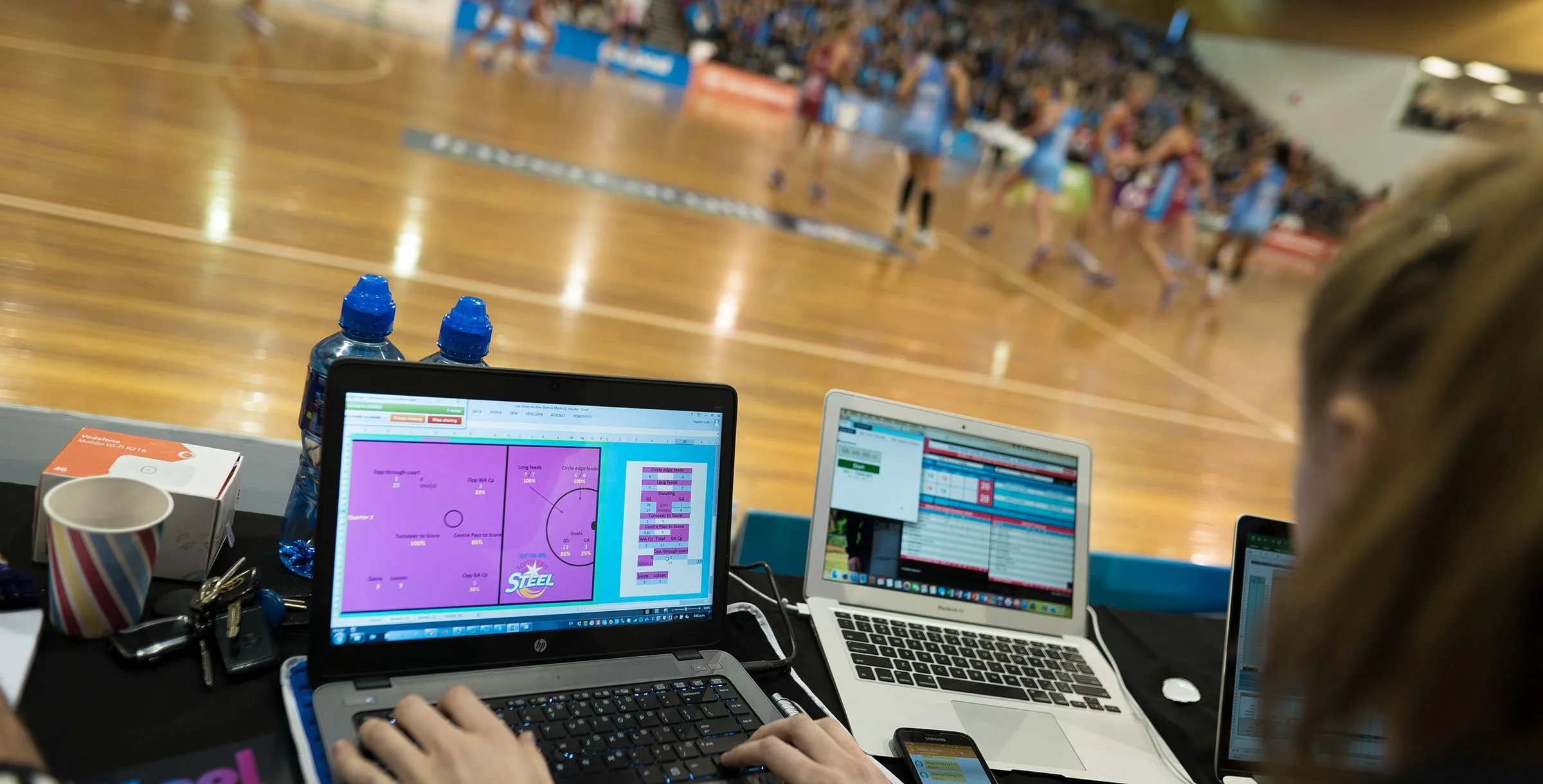
One of the most difficult parts of injury is feeling disconnected from the sport that gives your life structure, meaning, and identity.
Many athletes describe feeling isolated during rehab. Training environments continue without them. Teammates compete while they sit and watch. Over time, that emotional distance can become just as challenging as the physical injury itself.
That’s why staying involved in your sport matters.
Even when you can’t compete physically, you can still remain mentally engaged and connected to your environment.
That might involve:
Watching training sessions
Helping with team preparation
Analysing performances or match footage
Learning tactically
Supporting teammates
Observing more experienced athletes
Staying connected socially with the group
This keeps you connected to your identity as an athlete rather than feeling like injury has completely removed you from the sport.
Importantly, staying involved also helps reduce the emotional impact of isolation.
However, there’s a balance to strike.
Sometimes athletes force themselves into environments they’re not emotionally ready for, which can increase frustration or sadness. The key is finding the right level of involvement for your stage of recovery.
At Rich Sille Sport Psychology, I help you to:
Manage the emotional challenges of being sidelined
Stay mentally engaged without becoming overwhelmed
Find productive roles during recovery
Maintain identity during time away from competition
The aim is to help involvement feel supportive and meaningful rather than painful or draining.
Injury may temporarily change your role, but it does not remove your value or your place within sport.
🛡️Strategy 3: Build a Strong Support Network

Injury can feel incredibly lonely.
Athletes are often used to handling pressure independently and pushing through challenges without asking for support. But rehab is not something you should carry alone.
A strong support network can make an enormous difference to both performance and wellbeing during recovery, helping athletes manage setbacks more effectively, and enjoy sport with greater confidence and freedom.
That support might come from:
Coaches
Physiotherapists / Sports therapists
Other medical staff
Teammates
Family
Friends
A sport psychologist
The important thing is to identify who helps you feel supported, understood, and grounded during difficult moments.
In high-level sport, it’s not always easy to know who you can trust. Injury often reveals which people are truly steady and reliable when things become difficult.
Having the right people around you helps because:
You feel less isolated
You process setbacks more effectively
You feel more emotionally steady
Motivation becomes easier to maintain
Pressure feels more manageable
At Rich Sille Sport Psychology, I help athletes build a strong and reliable support structure around them and clarify what kind of support they actually need from different people.
For example:
A physio may guide physical recovery
A coach may support return-to-play planning
Teammates may help maintain connection and belonging
A sport psychologist may help process emotions, rebuild trust in your body, and manage anxiety
When the right support network is in place, rehab feels less like a battle you have to survive alone.
🔨Strategy 4: Build Solid Foundations
Athletes often want to focus entirely on “doing more” during rehab.
More exercises.
More sessions.
More work.
But the basics are often what determine whether recovery progresses consistently or becomes frustrating and inconsistent.
That’s why building strong foundations matters so much.

Sleep, rest, & recovery, and nutrition & hydration all create the conditions your body and mind need to heal effectively.
When these foundations are poor:
Energy drops
Concentration suffers
Mood becomes harder to manage
Frustration increases
Recovery can feel slower
Setbacks become more likely
When these foundations improve, athletes often notice they:
Feel more resilient mentally and physically
Recover better between rehab sessions
Engage more consistently with training
Cope with stress more effectively
Feel more emotionally stable during recovery
This is not about perfection.
It’s about building realistic habits that support long-term recovery and performance.
At Rich Sille Sport Psychology, I help athletes create routines around:
Sleep quality
Rest and recovery habits
Daily structure
Nutrition and hydration
Managing barriers that disrupt consistency
The aim is to help good intentions become sustainable habits that fit real life and training demands.
Strong foundations do not just support recovery.
They support your future performance too.
❓You Might Be Wondering…
🧠“Why would I need a sport psychologist specifically?“
Physical rehab helps rebuild the body. Sport psychology can help athletes rebuild trust in their body, manage fear of reinjury, and feel more psychologically prepared during the recovery process.
🚦“How do I know the difference between normal discomfort and actual pain?”
This is one of the most common concerns athletes experience during rehab.
Many athletes become hyper-aware of physical sensations after injury. When anxiety about reinjury is high, the brain’s nervous system can act like an amplifier, making normal discomfort feel much more threatening.
A dull ache can suddenly feel alarming.
Normal stiffness can feel dangerous.
Part of the process is learning to separate anxiety from reality.
One useful strategy is describing sensations using objective, non-emotional language.
For example:
“My hamstring feels tight and warm.”
“My knee feels stiff after loading.”
Rather than:
“My leg feels like it’s going to go again.”
That small shift helps reduce catastrophising and creates a calmer, clearer understanding of what’s actually happening physically.
I also often introduce, with assistance from physios, a simple traffic light system:
Green = safe sensations you can continue through
Amber = discomfort worth monitoring
Red = stop and seek guidance
This helps athletes feel more confident interpreting their body’s signals instead of fearing every sensation.
📈“Will I ever be as good as I was before?”
This fear is incredibly common.
After injury, many athletes lose trust in their body and begin worrying about whether they’ll ever reach their previous level again.
In these moments, shifting attention from outcome goals to process goals becomes essential.
You cannot fully control where your performance will be six months from now.
But you can control what you do over the next six minutes.
Instead of focusing on:
“I need to get my explosive vertical jump back.”
We shift toward:
“My goal today is to complete three sets of calf raises with excellent form.”
That present-focused mindset reduces anxiety and creates progress through daily action.
“Little by little a little becomes a lot.”
Visual progress tracking can also help enormously. Wall charts, checklists, or rehab trackers allow athletes to see evidence that they are moving forward, even on difficult days.
Over time, self-belief and confidence grows through consistent action, not through waiting to suddenly “feel ready.”
💪Final Thoughts
Injury rehab is about much more than physical recovery.
It’s about feeling more psychologically prepared, reconnecting with yourself, managing uncertainty, and learning how to move through setbacks without losing belief in who you are as a person or an athlete.
The strategies we’ve covered can help you do exactly that:
Set short-term rehab goals
Stay involved in your sport
Build a strong support network
Create strong foundations through sleep, recovery, nutrition, and hydration
When athletes approach rehab this way, they often return:
More confident
More resilient
More self-aware
Better prepared for pressure and setbacks
More able to enjoy their sport again
You do not have to eliminate every fear or anxious thought to move forward. Often, growth comes from learning how to face difficult moments, make sense of them, and keep taking positive action anyway.
With the right support, injury can become more than just something you “get through.” It can become an experience that strengthens both your performance and your wellbeing long-term, helping you perform more consistently, manage setbacks more effectively, and enjoy sport with greater confidence and freedom.
📩Stay Ahead with ‘The Game Plan’ NEWSLETTER
If you’d like regular insights, tips, and stories to help you boost your performance and wellbeing - both in and out of sport - I’d love to keep you inspired.
👉 Subscribe to my newsletter The Game Plan here and start getting actionable strategies delivered straight to your inbox.
📞Let’s Team Up to Get You Performing Better And Feeling Better
If you’d like support navigating rehab, rebuilding confidence, or performing more consistently after injury, I’d love to discuss whether sport psychology support could help.
👉 Book a free discovery call here to explore whether sport psychology support would be helpful for your rehab and performance goals.